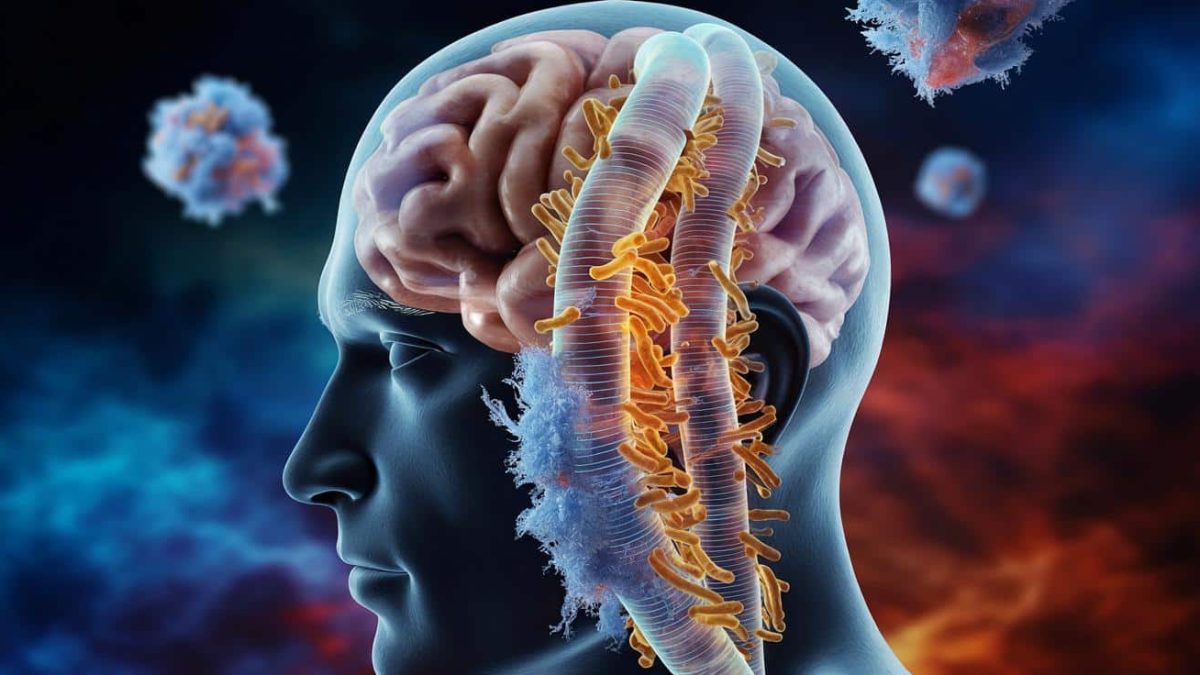
The human brain is a complex and mysterious organ, and its inner workings have long been a subject of fascination for researchers. Now, a team of scientists from the University of California, Riverside, has uncovered a startling new discovery that could upend our understanding of Alzheimer’s disease.
The researchers’ findings suggest that the key to unlocking the secrets of this devastating illness may not lie in the well-known plaques that accumulate in the brain, but rather in a lesser-known protein called tau. Their study sheds light on the intricate dance of proteins within the brain, and the crucial role they play in the onset and progression of Alzheimer’s.
The Overlooked Superhighways of the Brain
At the heart of the researchers’ findings is the crucial role played by the brain’s internal “superhighways” – the microtubules that form the structural backbone of neurons. These microscopic pathways are essential for the proper function and communication of brain cells, enabling the efficient transport of essential molecules and organelles.
However, the researchers have found that in Alzheimer’s disease, these microtubules become disrupted, leading to a cascade of events that can ultimately prove fatal. As the disease progresses, the tau protein, which normally helps to stabilize the microtubules, begins to accumulate and form tangles, causing the highways to collapse and the neurons to degenerate.
- ➡Ohrendruck im Flugzeug: Wie das Valsalva-Manöver wirklich hilft
- ➡Zwei Sternzeichen erhalten vor dem 20. März 2026 eine tiefgreifende Transformation ihres Lebens
- ➡Alte Nähkästchen im Schrank: Warum sie heute richtig Geld bringen
- ➡Schwarzer Mars-Stein enthüllt: Uraltes Wasser steckt noch in diesem Meteoriten
This tau-driven degeneration, the researchers believe, may be the true driver of Alzheimer’s, rather than the better-known amyloid plaques that have long been the focus of research efforts.
The Protein Showdown in the Brain
The researchers’ findings suggest that the battle between tau and other proteins within the brain may be a critical factor in the development of Alzheimer’s. As the tau protein begins to accumulate and form tangles, it disrupts the delicate balance of proteins that is essential for maintaining healthy brain function.
This protein imbalance can have far-reaching consequences, leading to the breakdown of the brain’s internal communication systems and the eventual death of neurons. The researchers believe that understanding this protein dynamic is key to developing new and more effective treatments for Alzheimer’s disease.
By focusing on the role of tau and the disruption of the brain’s internal highways, the researchers hope to shed new light on the underlying causes of Alzheimer’s and to pave the way for more targeted and effective therapies.
- ➡Diese kleine Morgenverstärkung verbessert Konzentration und Motivation im Januar
- ➡Goodbye Showers: How the New “Human Washing Machine” from Japan Works
- ➡9 Gesprächsfehler, die wirklich sozial intelligente Menschen nie machen
- ➡Why the Generations of the 1950s Are So Tough – And What We Can Learn From Them
Aging Cells and the Breakdown of Recycling
Another key factor in the researchers’ findings is the role of aging and the breakdown of cellular recycling processes. As we grow older, our cells become less efficient at removing and recycling damaged or unwanted proteins, including tau.
This breakdown in the cell’s recycling system can lead to the accumulation of tau and other harmful proteins, contributing to the onset and progression of Alzheimer’s disease. The researchers believe that understanding this age-related decline in cellular function may be crucial to developing new strategies for preventing and treating the disease.
By targeting the underlying cellular processes that contribute to Alzheimer’s, the researchers hope to develop more effective therapies that can slow or even halt the progression of the disease, offering hope to those affected by this devastating condition.
The Implications for Patients and Caregivers
The researchers’ findings have significant implications for both those living with Alzheimer’s and their caregivers. By shedding new light on the underlying mechanisms of the disease, the study could pave the way for the development of more targeted and effective treatments, providing hope for those who have been impacted by this debilitating condition.
Moreover, the insights gained from this research could also inform the development of better support systems and resources for Alzheimer’s patients and their families. As our understanding of the disease deepens, healthcare professionals and policymakers can work to ensure that those affected receive the comprehensive care and support they need.
Ultimately, the researchers’ work represents a significant step forward in our understanding of Alzheimer’s disease, and it underscores the critical importance of continued scientific exploration in this field. By unlocking the secrets of the brain’s inner workings, we may be one step closer to finding a cure for this devastating illness.
Decoding the Jargon: What the Study Means
The researchers’ study delves into the complex world of neuroscience, using specialized terminology that may be unfamiliar to the general public. To help make sense of the findings, let’s break down some of the key concepts and their implications:
| Term | Explanation |
|---|---|
| Microtubules | These are the brain’s internal “superhighways” that facilitate the transport of essential molecules and organelles within neurons. |
| Tau protein | Tau is a protein that normally helps to stabilize the microtubules, but in Alzheimer’s disease, it can form tangles that disrupt these crucial pathways. |
| Amyloid plaques | Amyloid plaques are the well-known protein clumps that accumulate in the brains of Alzheimer’s patients, but the researchers believe the tau protein may be a more critical factor in the disease’s progression. |
| Cellular recycling | As we age, our cells become less efficient at removing and recycling damaged or unwanted proteins, including tau, which can contribute to the onset and progression of Alzheimer’s. |
- ➡Why This Kitschy Thrift Store Swan Is Worth Its Weight in Gold During Winter
- ➡Heroes of Might & Magic Olden Era: Fans treiben Weiterentwicklung von Interface und Kämpfen voran
- ➡Enthüllungen über hohe Absätze: Diese Schuhgröße macht die Beine wirklich schlanker
- ➡Warum du deine Steuererklärung niemals freiwillig weglassen solltest, auch wenn du denkst, du kriegst nichts zurück
“This study represents a significant shift in our understanding of Alzheimer’s disease, moving the focus away from amyloid plaques and towards the critical role of the tau protein in the brain’s degeneration,” said Dr. Sarah Gensler, a leading Alzheimer’s researcher at the University of Munich.
By shedding light on these complex concepts, the researchers hope to provide a clearer picture of the underlying mechanisms of Alzheimer’s, paving the way for more targeted and effective treatments in the future.
A Glimmer of Hope in the Darkness
While the researchers’ findings may be sobering, they also offer a glimmer of hope for those affected by Alzheimer’s disease. By deepening our understanding of the disease’s underlying causes, the study opens the door to the development of new and more effective therapies that could transform the lives of patients and their families.
Moreover, the researchers’ work highlights the critical importance of continued scientific exploration and collaboration in the fight against Alzheimer’s. As we continue to unravel the mysteries of the brain, we may uncover even more insights that could lead to breakthroughs in the treatment and prevention of this devastating condition.
For now, the researchers’ findings serve as a powerful reminder of the complex and multifaceted nature of Alzheimer’s disease, and the urgent need for a renewed focus on understanding and addressing the disease’s root causes. With perseverance and a commitment to advancing our scientific knowledge, we may one day find the answers that have eluded us for so long.
Frequently Asked Questions (FAQs)
What is the significance of the researchers’ findings on the role of tau protein in Alzheimer’s disease?
The researchers’ findings suggest that the tau protein may be a more critical factor in the development and progression of Alzheimer’s disease than the well-known amyloid plaques. By disrupting the brain’s internal “superhighways” (microtubules), the accumulation of tau tangles can lead to the degeneration of neurons, which may be a key driver of the disease.
How do the researchers’ findings on cellular recycling processes relate to Alzheimer’s disease?
As we age, our cells become less efficient at removing and recycling damaged or unwanted proteins, including tau. This breakdown in the cell’s recycling system can contribute to the accumulation of tau and other harmful proteins, which the researchers believe may be a significant factor in the onset and progression of Alzheimer’s disease.
What are the implications of the researchers’ findings for the development of new Alzheimer’s treatments?
By shifting the focus away from amyloid plaques and towards the critical role of the tau protein, the researchers’ findings could pave the way for the development of more targeted and effective therapies for Alzheimer’s disease. Understanding the underlying mechanisms of the disease, including the disruption of the brain’s internal communication systems, could lead to new approaches to prevention and treatment.
- ➡Die unterschätzte Macht der mentalen Stärke: Wie Nichtwissen Ihre größte Chance sein kann
- ➡Der vergessene Rhabarber-Trick: Wie dieser Pflanzensud deine Tomaten-Ernte rettet
- ➡Studie warnt: Wie sich steigende Meerestemperaturen auf unsere Fischbestände auswirken
- ➡Wie Sie Ihre Kochfelder mit Zitrone wieder wie neu machen
How might the researchers’ findings impact the support and resources available for Alzheimer’s patients and their caregivers?
The insights gained from this research could inform the development of better support systems and resources for Alzheimer’s patients and their families. As our understanding of the disease deepens, healthcare professionals and policymakers can work to ensure that those affected receive the comprehensive care and support they need.
What are the next steps for the researchers in furthering our understanding of Alzheimer’s disease?
The researchers’ findings represent a significant step forward in our understanding of Alzheimer’s disease, but there is still much work to be done. Continued scientific exploration and collaboration will be crucial in unlocking the secrets of the brain’s inner workings and developing new and more effective treatments for this devastating condition.
How can the general public stay informed about the latest developments in Alzheimer’s research?
The Alzheimer’s Association and other reputable organizations dedicated to Alzheimer’s research and support often publish updates and news about the latest scientific discoveries and advancements in the field. Staying informed through trusted sources can help the public stay up-to-date on the progress being made in the fight against this debilitating disease.
What can individuals do to support Alzheimer’s research and advocacy efforts?
Individuals can support Alzheimer’s research and advocacy efforts in a variety of ways, such as volunteering, donating to reputable organizations, or participating in clinical trials. Additionally, staying informed and sharing information with friends and family can help raise awareness and contribute to the ongoing fight against this devastating condition.
- ➡Unglaubliche Mikroben: Wie extremophile Organismen uns zur Suche nach Außerirdischen inspirieren könnten
- ➡Die größte Metropole der Welt: So leben 37 Millionen Menschen in Tokio
- ➡Wie frisch gewaschen: Diese 3 Düfte riechen den ganzen Tag nach sauber
- ➡Warum viele Ältere plötzlich so direkt werden – Psychologie erklärt den wahren Grund
How can the findings of this study impact the overall understanding and approach to Alzheimer’s disease?
The researchers’ findings represent a significant shift in our understanding of Alzheimer’s disease, moving the focus away from amyloid plaques and towards the critical role of the tau protein in the brain’s degeneration. This new perspective could lead to the development of more targeted and effective therapies, as well as a more comprehensive approach to addressing the underlying mechanisms of the disease.